Pregnancy · Nutrition
3 min readPregnancy Food Safety: Everyday Choices Made Simpler
Food safety in pregnancy doesn't require a perfect kitchen. A few consistent habits can reduce the chance of foodborne illness while leaving plenty of nourishing foods to enjoy.
Advice about particular foods can differ between countries. Use current local public-health guidance alongside your prenatal team's recommendations.
Choose lower-risk ingredients
In US guidance, deli meats and hot dogs should be reheated until steaming hot. Refrigerated smoked seafood and other chilled ready-to-eat foods need particular care: check the relevant official advice before serving them. Explore balanced second-trimester nutrition.
- Choose pasteurized milk and dairy products; check labels and local guidance for soft cheeses.
- Avoid raw or undercooked meat, poultry, seafood, and eggs; follow local advice for specially certified eggs.
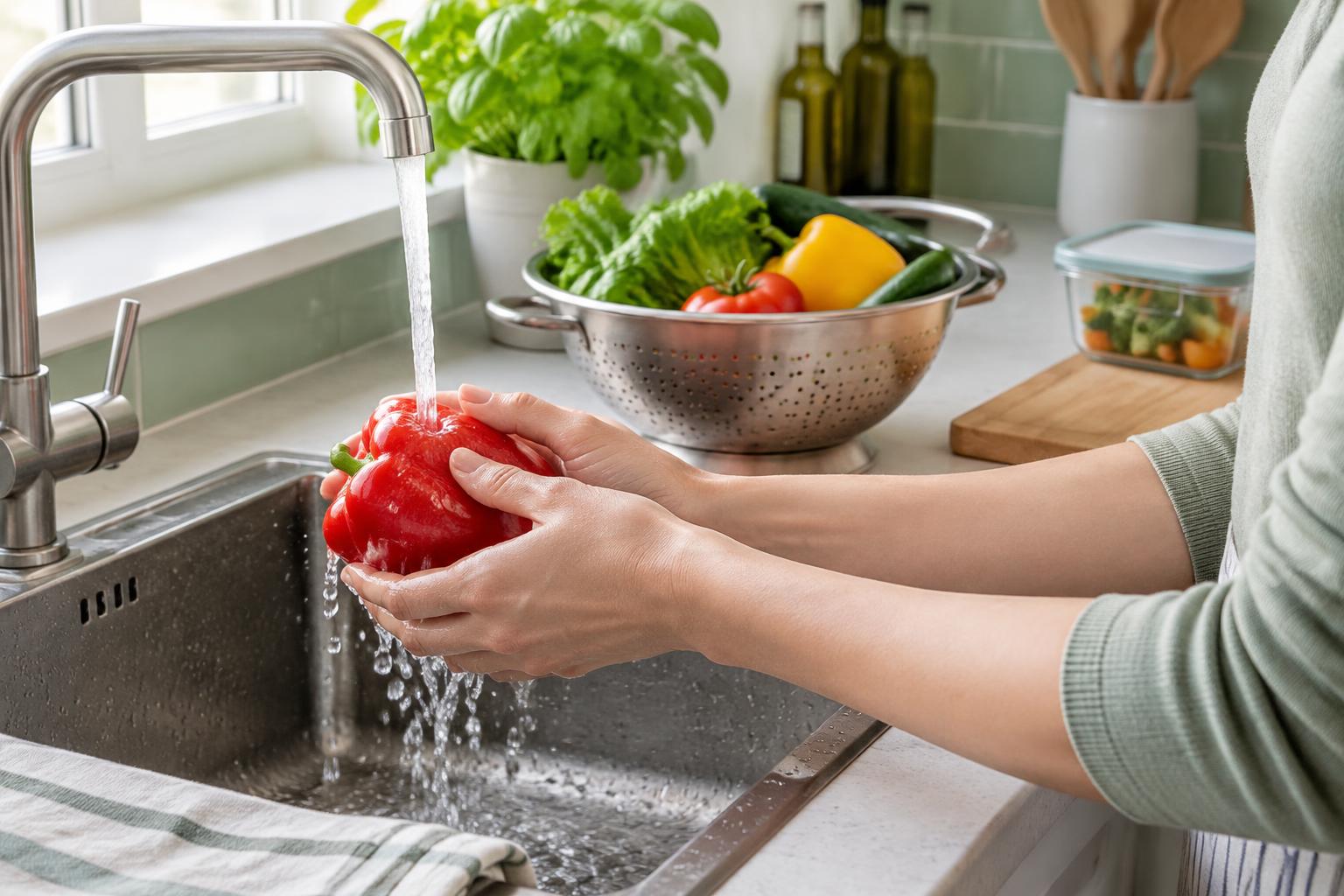
- Wash fruit and vegetables thoroughly under running water.
- Choose lower-mercury fish and follow official guidance on varieties and servings.
Keep raw and ready-to-eat foods apart
Wash your hands before preparing food and after handling raw ingredients. Use separate boards and utensils, or wash them thoroughly between tasks. Keep raw meat stored so juices cannot drip onto foods you will eat without cooking.
Use a food thermometer and the official safe temperature for what you are cooking. Appearance alone cannot tell you whether food is safe.
Make leftovers part of the plan
Refrigerate perishable food promptly, use shallow containers to help cooked food cool, and follow official storage-time and reheating guidance. Keep track of dates and freeze portions you won't use in time.
Don't rely on smell alone. If you don't know how long something has been stored or whether it stayed cold, choose a safer alternative. Plan easy meals with safe storage in mind.
If you feel unwell
Contact your healthcare team if you develop a fever or feel unwell after a suspected food exposure. Seek prompt advice for persistent vomiting, dehydration, or other concerning symptoms. Keep any packaging or recall information to help explain the exposure.
Medical note: General education, not a substitute for medical advice. Follow current local food-safety guidance and seek professional advice for illness or suspected exposure.
Sources and further reading
Next in pregnancy nutrition and food safety
Pregnancy Meal PlanningLess decision-making, more food you enjoy. · 3 min read