Pregnancy · Nutrition
3 min readPregnancy Meal Planning: A Flexible Week of Easy Meals
A meal plan can be a helpful starting point, not a set of rules. Choose a few foods you enjoy and can tolerate, then leave room for changing appetite, busy days, and rest.
Start with a few repeatable meals
Aim for variety across vegetables and fruit, grains or other starchy foods, protein, and pasteurized dairy or suitable fortified alternatives. You don't need all of these at every meal.
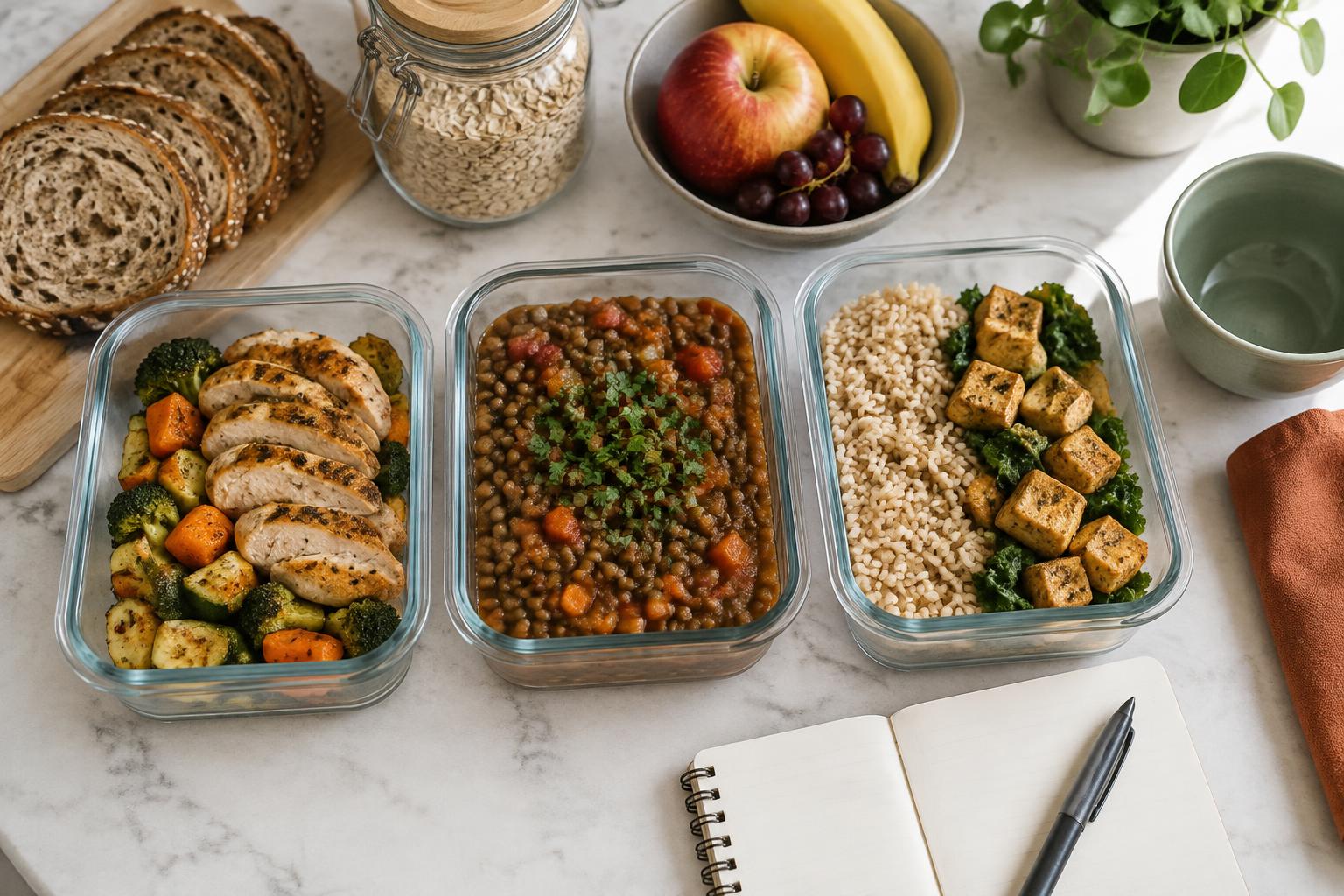
Pick two breakfasts, a couple of lunches, and three dinners you can repeat or adapt. Include convenient options such as canned beans, frozen vegetables, oats, and whole-grain bread. Check ingredients against any allergies. Revisit the building blocks of second-trimester nutrition.
An adaptable menu
These are examples, not a prescribed diet or a complete nutrition plan. Adjust foods and portions to your needs. Smaller, more frequent meals may feel more comfortable if nausea or reflux makes larger meals difficult.
- Breakfast: oats with pasteurized milk or a fortified alternative and washed fruit.
- Lunch: a lentil soup with bread, or a rice bowl with beans and cooked vegetables.
- Dinner: thoroughly cooked chicken or tofu with potatoes and vegetables.
- Another dinner: fully cooked lower-mercury fish with rice and greens.
- Snack: pasteurized yogurt and fruit, or toast with a spread that suits your allergies.
Shop and prepare gently
Ready-to-pack checklist · 0 of 5
Know when a personal plan matters
Gestational diabetes, significant food allergies, persistent vomiting, or a restrictive diet may call for individualized guidance. Ask your care team or a registered dietitian about your nutritional and supplement needs rather than relying on a generic menu.
Eating for two doesn't mean eating twice as much. Focus on nourishment and support, not on making every meal perfect.
Medical note: General meal ideas, not a substitute for medical advice or individualized nutrition care. Follow allergy precautions and any dietary plan from your clinician.